Traces of Lived History: A Digital Public History Collection brings together documents, maps, images, objects, aerials, and oral histories to make the past accessible, meaningful, and rooted in lived experience. History does not survive in a single form—it endures in records and memories, in landscapes and voices, in the everyday materials people leave behind. This collection reflects our belief that understanding the past requires engaging with these many traces together, in context and in conversation.
This digital collection is central to our mission to uncover, preserve, and share histories that have too often been overlooked or undervalued—especially local and community histories that are at risk of being lost. By bringing these materials into the public realm, we honor the people who lived this history and invite others to learn from it, question it, and carry it forward. Public history is not just about preservation; it is about access, interpretation, and connection. Traces of Lived History exists to ensure that the stories embedded in our places, our records, and our memories remain visible, usable, and alive.
“Breadcrumbs”
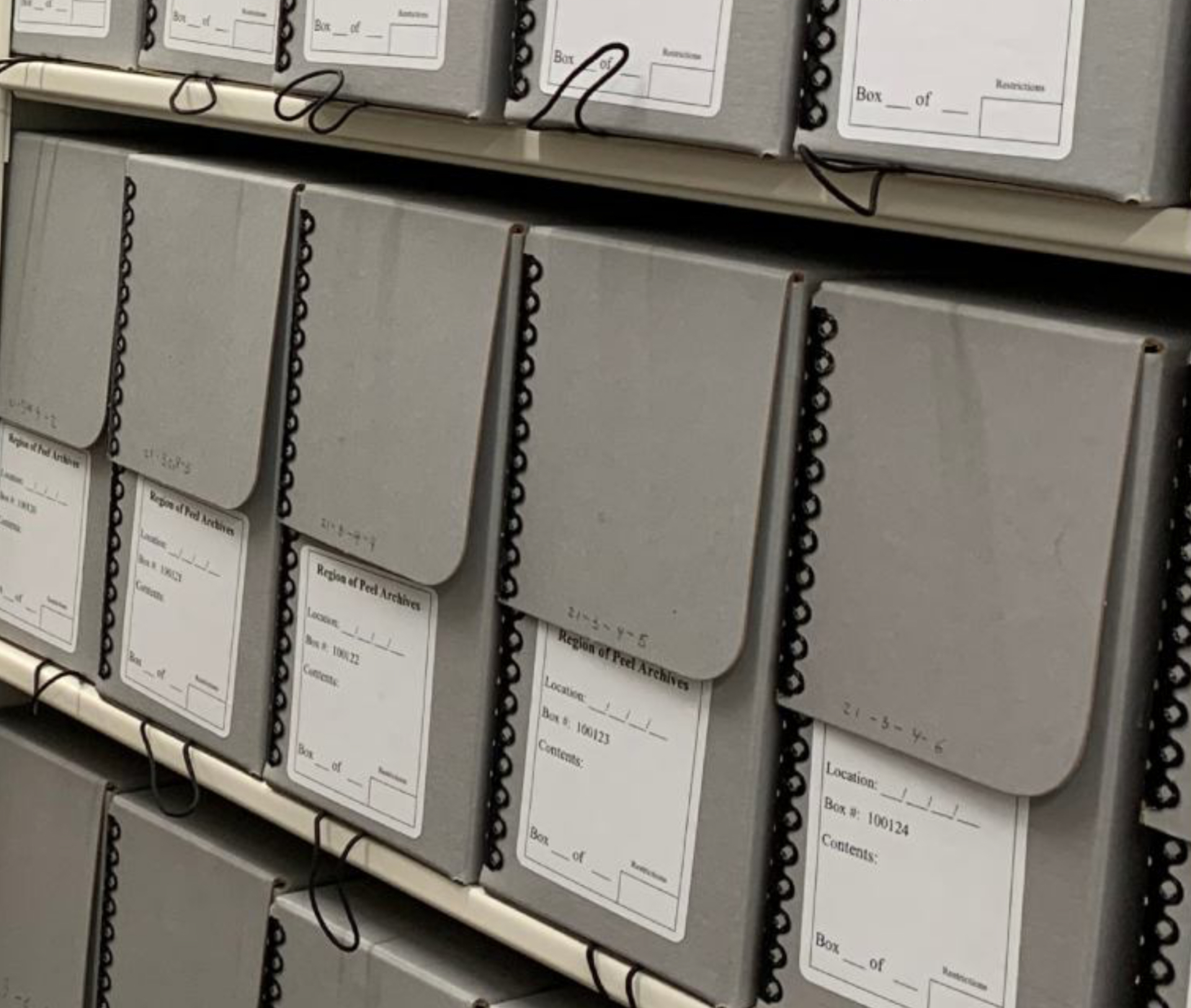
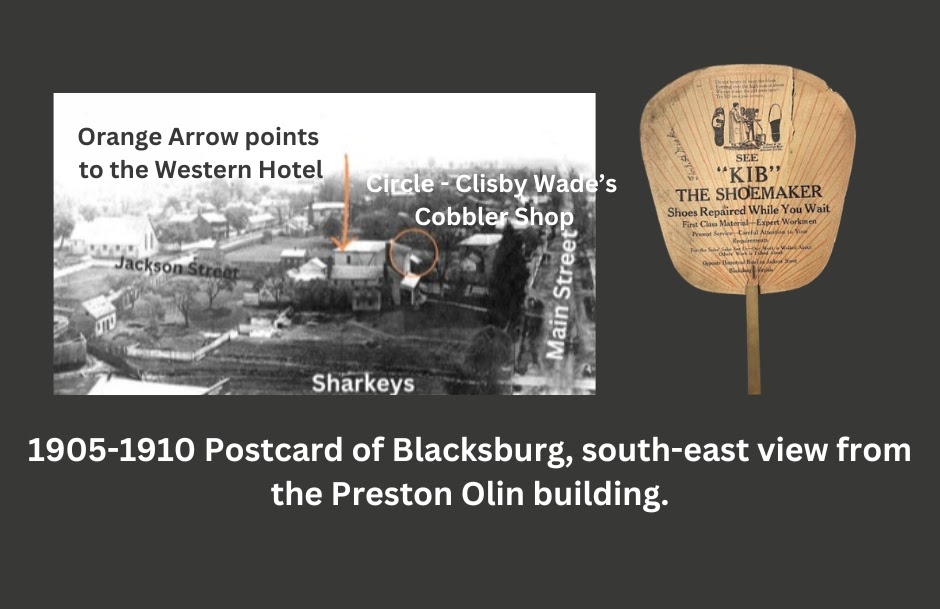
The Friends of St. Luke, Odd Fellows & Household of Ruth preserve history by following its traces. In the absence of a traditional physical archive, we gather the marks people left behind—records, maps, images, and memories—and weave them together into a living digital collection. These traces act as breadcrumbs, guiding individuals toward meaningful historical details and helping families reconnect with their own stories, while allowing us to bring the narratives we uncover into clearer focus.
Each story is built from many small pieces: genealogical research that reveals family relationships; Sanborn Fire Insurance maps that show where people lived; census records that place them within their neighborhoods; newspaper advertisements that document businesses and livelihoods; deeds that trace land ownership; and family photographs that capture moments across generations. Taken alone, these traces can feel fragmented. Together, they reveal the full, human story of a family over time—rooted in place, shaped by community, and grounded in lived experience.
The Collection
Like professional museums and libraries, this digital collection is organized into collections—documents, books, maps, media, objects, and stories—so you can explore the many traces of history firsthand.
If you have historical artifacts or digital representations of family objects that you would like to share, we would be honored to work with you. We can help guide you in preserving these items or, when appropriate, suggest that they be offered to a local museum that is equipped to care for them according to best museum practices. Our goal is to ensure these objects—and the stories they carry—are preserved responsibly and remain accessible for future generations. Please contact us to discuss how we can assist you.
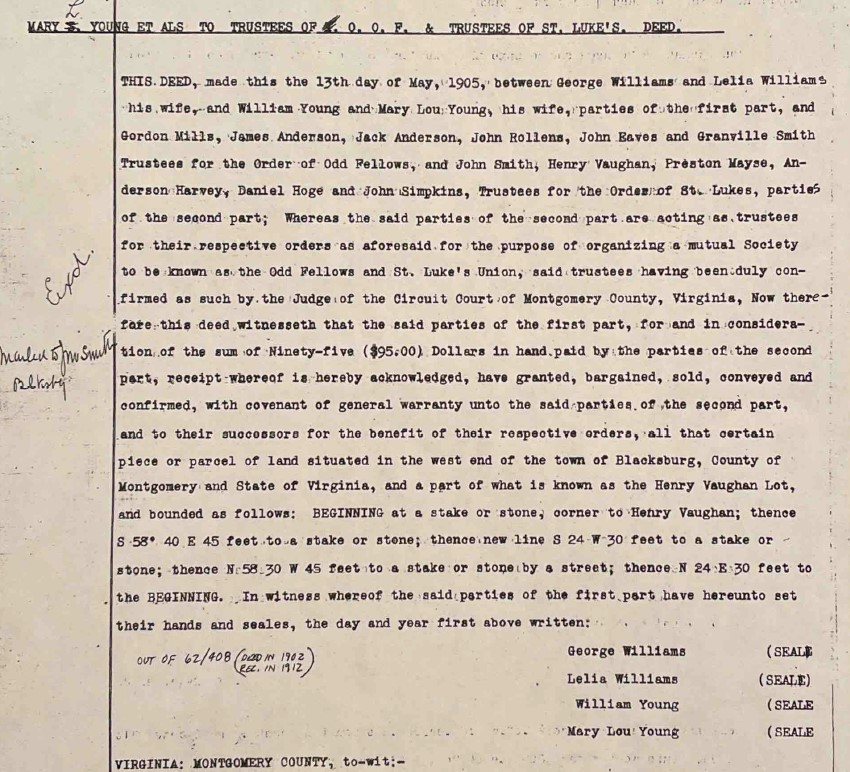
Documents
Census, Deeds, Ledgers, Letters, Genealogy, Military Records, Postcards, Scrapbooks, Transcripts of oral history, Wills
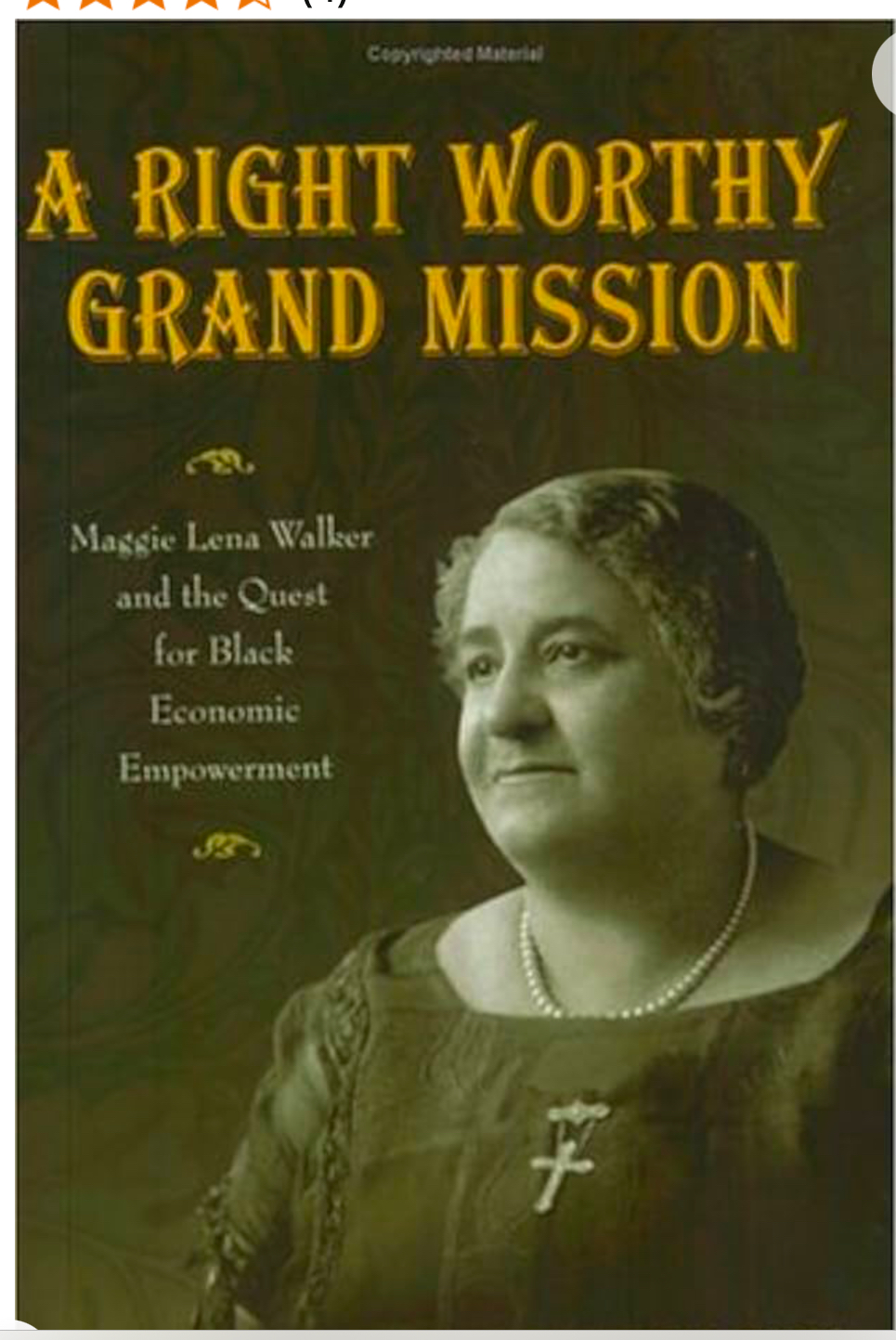
Library
Books, Journals, Magazines, Newspapers and our Book Group Suggestions
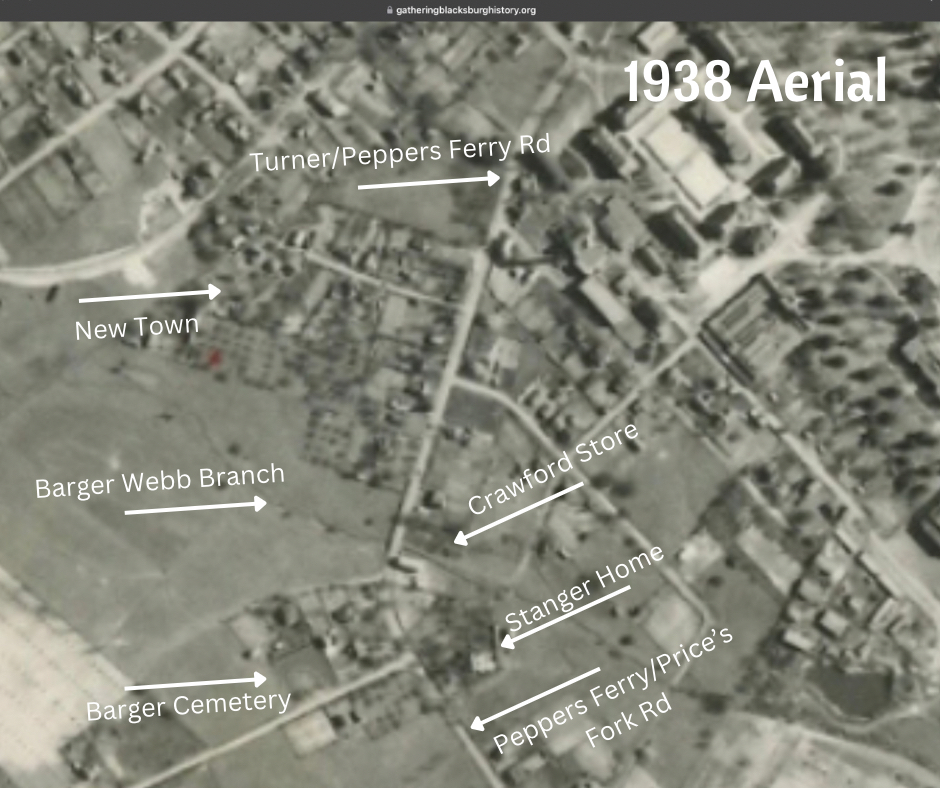
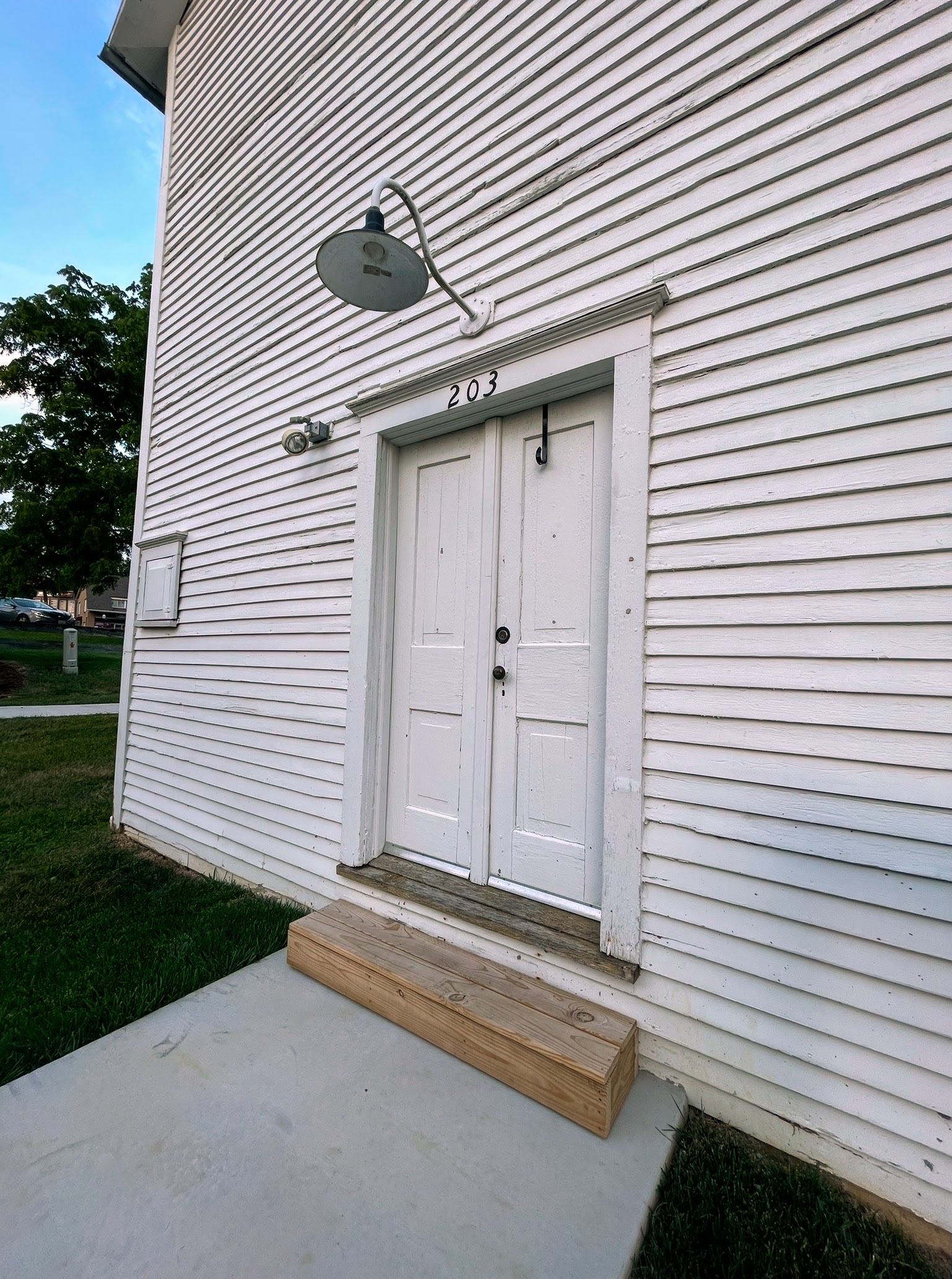
Media
Audio (oral history), Images, Video
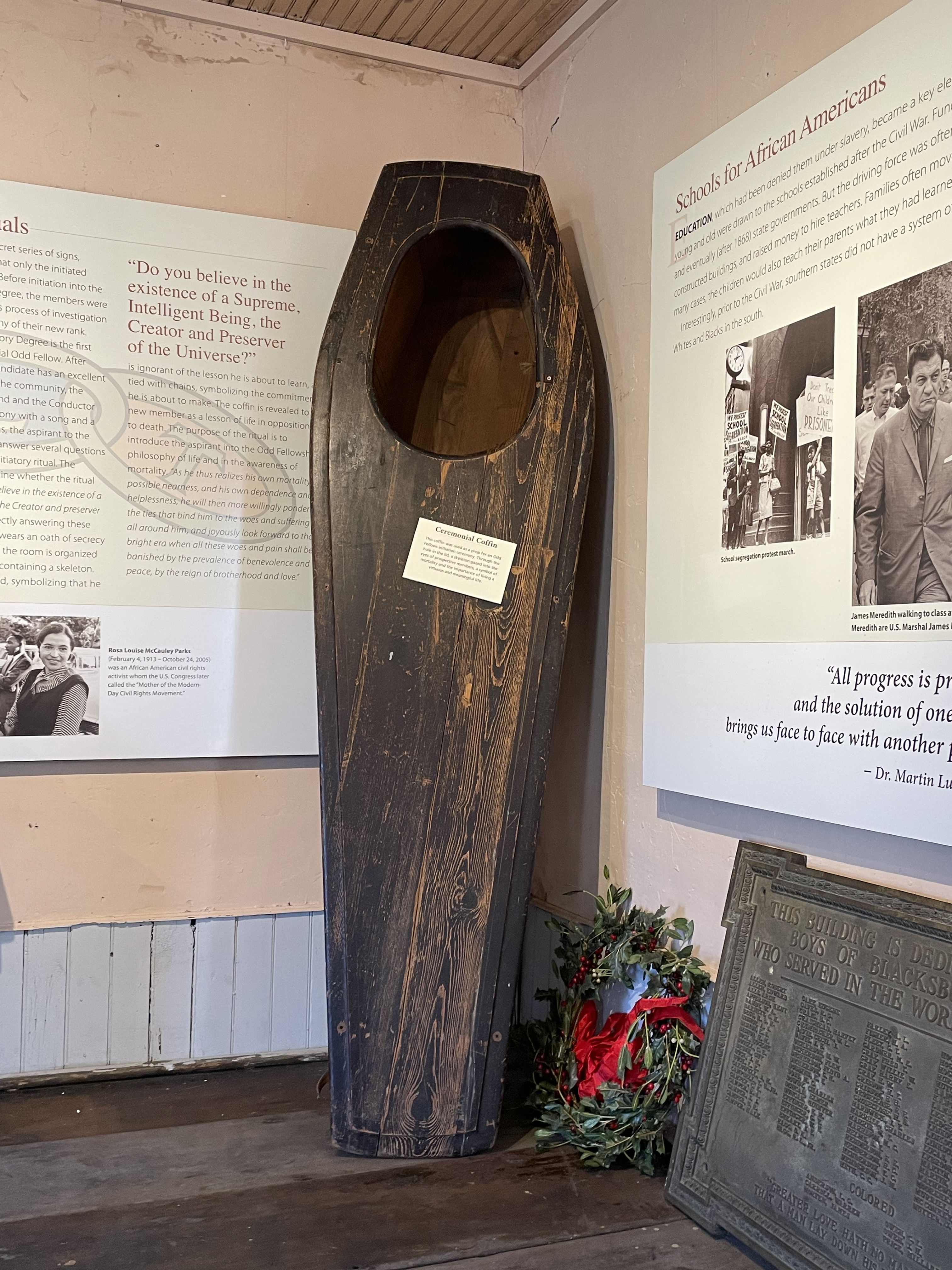
Objects
Three-dimensional Artifacts
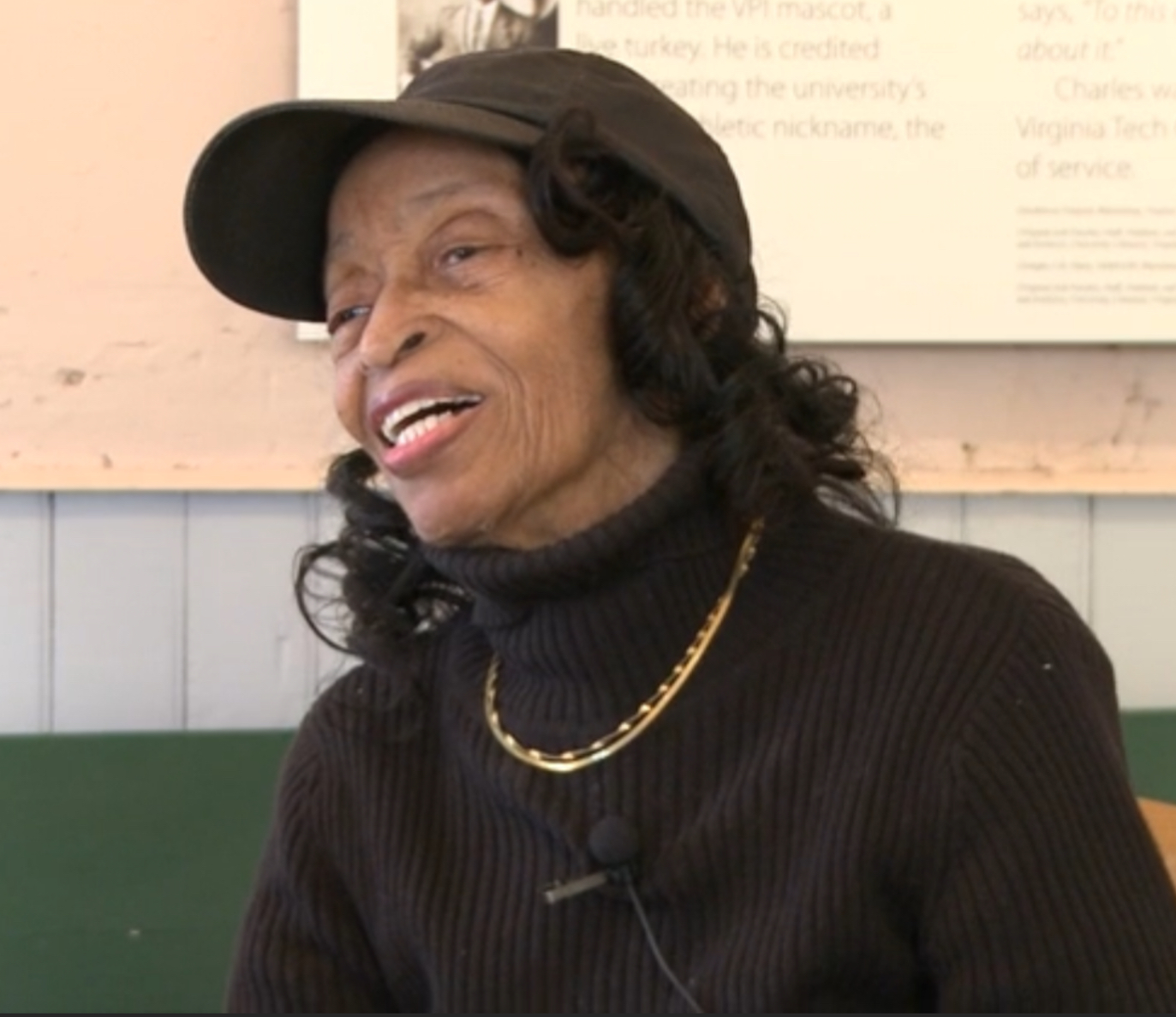
Lost Stories
Uncovering the lost stories of African Americans in Appalachia is a complex challenge. The “Lost Stories” catalog serves as a “holding space” for scattered pieces of information that may not yet be fully understood—much like assembling a jigsaw puzzle. It provides a place to test theories, explore context, and gradually reveal histories once known to families, friends, and neighbors who lived, worked, and were buried in this rural Appalachian region. It also traces the stories of those who left during the Great Migration. Organized through the power of Categories and Tags, this tool helps connect missing links—if you can’t find information elsewhere, try here.
